


Mention the word budget, and some people immediately tense up. They picture cutting out everything they enjoy, living on ramen noodles, or feeling guilty every time they spend a dollar. To them, budgeting feels like financial punishment instead of financial freedom. That thinking is exactly backwards.
Somewhere along the way, the word budget picked up a bad reputation. It became associated with struggle, sacrifice and saying “no.” Ironically, the people who dislike budgeting the most are often the very people who need it the most.
Let’s clear something up right now. The words budget and financial planning are interchangeable. A budget, in its most basic form, is simply a spending, saving and investment strategy for your money. That’s financial planning.
When people say they need a financial plan but don’t want a budget, they’re saying the same thing without realizing it.
Think about it. Every successful business, nonprofit organization, government agency and professional sports team operates with a budget. They don’t create budgets because they’re expecting failure. They create budgets because they expect success and understand that every dollar needs a purpose. Money without a plan usually disappears. Yet many people refuse to create one for the most important business they’ll ever manage—their own household.
A budget isn’t punishment. It’s preparation.
One of the biggest myths I hear is, “A budget restricts my spending.” Nope. Your income restricts your spending—not your budget.
Your paycheck already determines how much money you have available. The budget simply tells you how to use that money wisely. Blaming your budget for your financial limitations is like blaming a tape measure because your new couch won’t fit in the living room. The tape measure didn’t create the problem. It simply revealed reality.
Here’s another misconception.
People think budgeting is complicated. It isn’t. A budget isn’t complicated. In fact, it only has one rule: Don’t go over budget!
That’s it. Everything else—spreadsheets, budgeting apps, envelopes, percentages and formulas—is simply a system designed to help you follow that one rule.
Before the month begins, decide how much you’re going to spend in each category. Then your job is simple: stay within those limits.
Perfection isn’t the goal. Consistency is.
The beauty of budgeting is that it gives every dollar an assignment. When you create a budget, you’re being proactive and intentional with your money. You’re telling your money what to do before you spend it.
Without a budget, you’re being reactive and impulsive with your money. Bills show up. Temptation strikes. Something goes on sale. A friend invites you out. Before long, you’re staring at your bank account wondering the same thing millions of Americans ask every month:
“Where did all my money go?”
The money didn’t disappear. It simply went wherever your emotions, habits and circumstances directed it. That’s the difference between managing your money and letting your money manage you.
As I often say, “Money is the greatest magician. It can disappear before your eyes without you knowing.”
Every dollar that comes into your household has a job. Some dollars pay your mortgage or rent. Some buy groceries. Some cover transportation. Others should build your emergency fund, eliminate debt or grow your retirement investments.
If you don’t assign those jobs yourself, your money will gladly find another assignment. Maybe it’s another drive-thru meal. Maybe it’s another streaming subscription you forgot to cancel. Maybe it’s another online purchase because it was “on sale.”
None of those purchases are necessarily bad. The problem is they’re often unplanned. Unplanned spending eventually becomes financial stress.
A budget flips that script by giving your money clear marching orders before life starts making decisions for you.
The good news is there isn’t just one way to budget.
Some people thrive using the 50/30/20 Rule, allocating 50 percent of their income toward needs, 30 percent toward wants and 20 percent toward savings and debt reduction.
Others prefer the Pay Yourself First approach by automatically moving money into savings and investments before paying anything else.
Some like the discipline of zero-based budgeting, where every dollar receives an assignment before the month begins.
Others still swear by the old-school envelope method, dividing cash into spending categories so once the envelope is empty, spending stops.
Here’s what I’ve learned after years of coaching people with money.
The best budget isn’t the fanciest one. It’s the one you’ll actually follow.
Too many people spend weeks searching for the perfect budgeting app while ignoring the real issue: consistency.
A simple budget followed every month beats a sophisticated budget abandoned after two weeks.
Another reason people resist budgeting is because they think it eliminates fun.
Actually, it’s the opposite. A good budget gives you permission to enjoy your money without guilt.
Want to take a vacation? Budget for it. Want season tickets, concert tickets or date nights? Budget for them. Want to upgrade your wardrobe? Budget for it.
The problem isn’t spending money.
The problem is spending money that should have gone toward rent, groceries, debt payments, retirement savings or your emergency fund.
A budget doesn’t tell you that you can’t enjoy life. It simply helps make sure tomorrow isn’t sacrificed for today.
A good budget doesn’t create financial drama. It removes it.
Instead of wondering whether you can afford something, you already know. Instead of hoping your bills get paid, you’ve already planned for them. Instead of relying on credit cards every time life throws you a curveball, you’ve prepared for unexpected expenses before they happen.
That’s real financial confidence.
Remember this: Wealth usually isn’t built through one giant financial decision. It’s built through thousands of small decisions made consistently over time.
Every paycheck is another opportunity to tell your money where to go.
Every month is another opportunity to improve your financial habits.
Every budget is another step toward financial independence.
And never forget another one of my favorite sayings:
“If you don’t get serious about your money, you’ll never have serious money!”
At the end of the day, you’re going to spend your money anyway.
You might as well have a plan.
People who refuse to budget often believe they’re avoiding restrictions. In reality, they’re surrendering control. They’re allowing impulse purchases, poor planning and unexpected expenses to dictate their financial future.
A budget isn’t about limiting your life. It’s about expanding your options. The more intentional you become with your money today, the more opportunities you’ll have tomorrow. Financial freedom doesn’t happen by accident. It’s built one paycheck, one decision and one budget at a time.
Don’t let your money tell you where it went. You tell your money where it’s going.
Take control of your paycheck before your paycheck controls you.
Because when you master your budget, you begin mastering your financial future.
And that’s when real financial confidence begins.
Need a money coach to help you “Get A Grip On Your Money?” Hit me up!
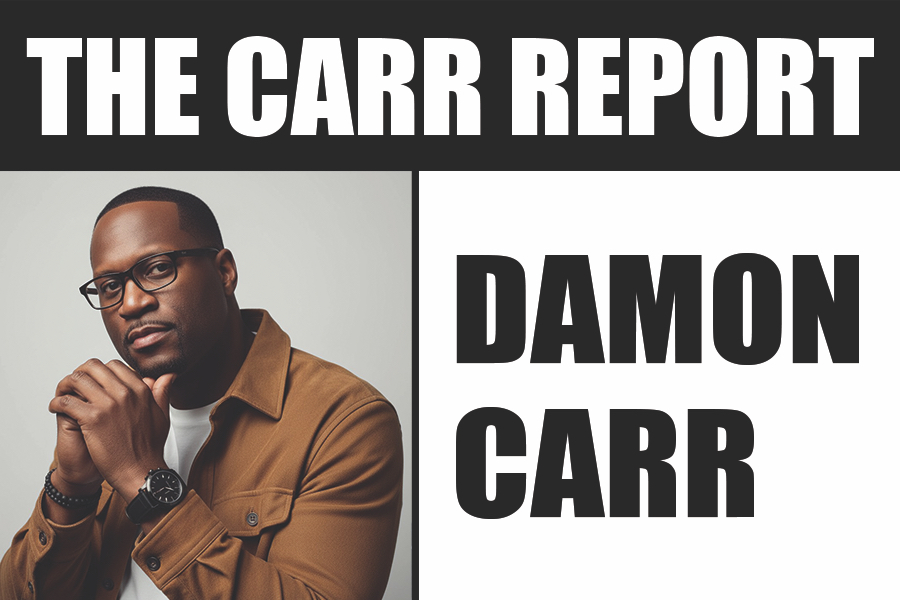
(Damon Carr, Money Coach & Tax Pro can be reached at 412-216-1013 or visit his website at www.damonmoneycoach.com)
Helping you flip your finances from stressed to blessed— one smart decision at a time.