


New Partnership With Pittsburgh Yards Built on Aligned Missions
Atlanta is widely regarded as fertile ground for business start-ups, supported by a robust ecosystem that actively champions minority- and women-owned enterprises. The region has become a destination for aspiring entrepreneurs and established small businesses seeking access to resources and innovative programs designed to combat financial inequities, build capacity, invest capital, and revitalize underserved communities.
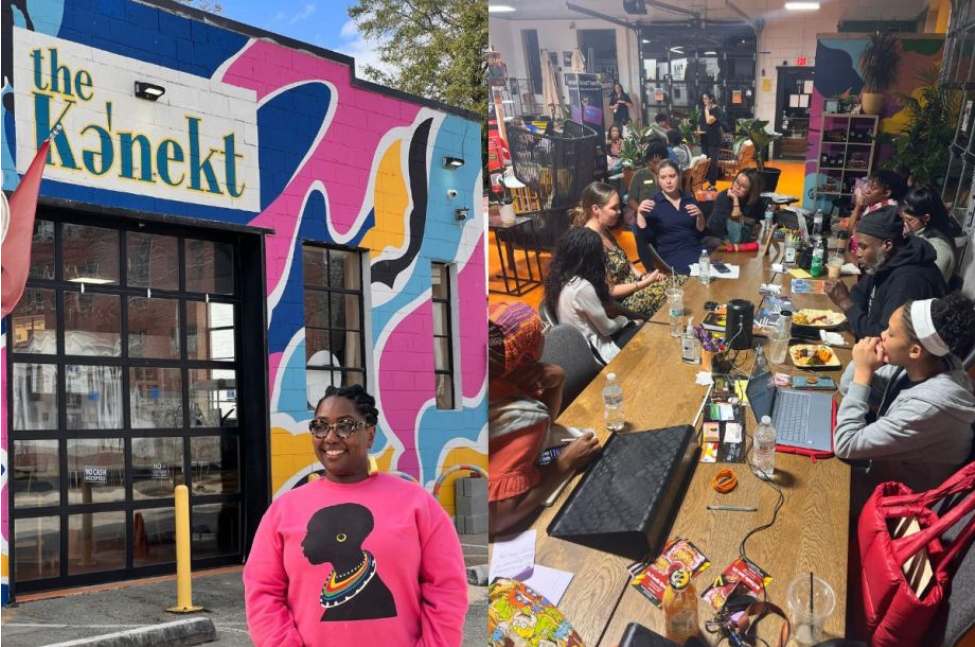
In an exclusive interview with Atlanta Daily World, Kiyomi Rollins, founder and CEO of The Ke’nekt Cooperative, shared insights into Atlanta’s entrepreneurial landscape—particularly the growing role of Black women turning to entrepreneurship in response to post-pandemic workforce disruptions and an increasingly hostile national socio-economic climate. The Ke’nekt Cooperative is widely recognized for providing support services, funding opportunities, and community engagement through an incubator-based model that nurtures local entrepreneurs.
Despite persistent economic disparities, Rollins remains optimistic about Atlanta’s potential for innovation, community-driven growth, and inclusive economic development. Ke’nekt, a 501(c)3 is dedicated to combating financial injustice and expanding opportunities by building capacity, identifying and investing capital, and developing underserved areas to grow businesses and revitalize communities.
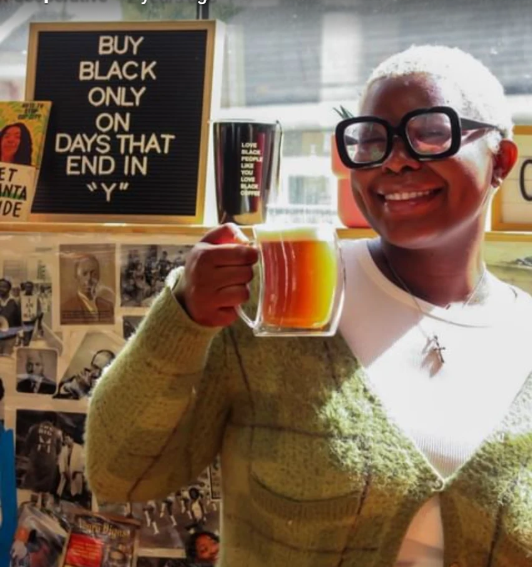
“The biggest challenge for [small] businesses is just access to non-extractive capital. And this challenge is the same challenge that existed — or that was highlighted — during the pandemic,” Rollins points out. “A lot of our businesses are either nonprofit or social impact brands, so they’re very mission-aligned businesses. They may be a service-based business, like a barber or a stylist that are doing kind of cash on hand for their services.
“So when it comes to some of the criteria that is required to be able to get approved for a loan or for a small on business loan, one of the criteria is their profit and loss sheets, that might be an area that’s a little challenging for a barber or a stylist to have,” she explains adding that rigid lending requirements render too many neighborhood businesses a risk. “Also not having a strong relationship with a financial institution is a problem. In Southwest Atlanta, we do have Self-Help Credit Union that just opened, but we’ve had several banks that have closed in our community,” she continued.
Through a key partnership with the Annie E. Casey Foundation, The Ke’nekt Cooperative is advancing initiatives that strengthen neighborhood commercial corridors and foster sustainable business growth.
“The Annie Casey Foundation is one of my favorite foundations. It is the philanthropic organization behind Pittsburgh Yards. … When I got the call about the opportunity to be able to come and support some of the business owners within their ecosystem, it was the first time that I’ve gotten the request to come and support business owners from an organization whose mission aligns with what The Ke’nekt does.”
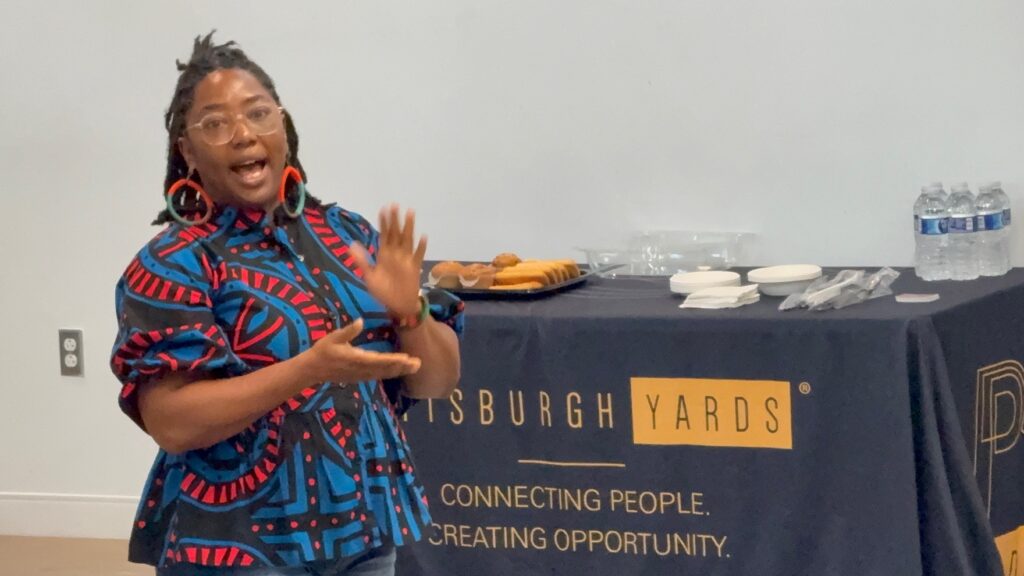
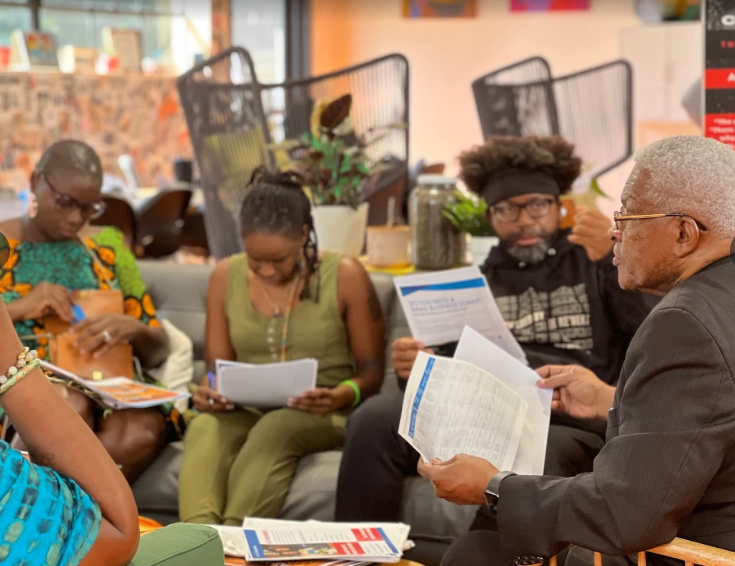
The affable activist stressed the importance of connection and collaboration, highlighting her long-standing relationships with local business owners and the value of shared resources. In collaboration with the Pittsburgh Yards (PY) business community which houses and provides support to around 200 businesses, she is spearheading outreach programs and co-designing sessions aimed at improving business outcomes and increasing long-term success.
Rollins, a renowned “resilience partner,” works closely with tenants and co-working members at Pittsburgh Yards (PY) and is available to help guide and connect businesses as they grow in good times and help them find solutions when there are challenges. The Ke’nekt executive helps PY and tenant businesses navigate the changing social and commercial landscape to keep them viable and assist business owners with collaborative endeavors as they pivot to grow into sustainable and thriving enterprises.
“I have had the pleasure of being an ‘entrepre-negro’ for the past 20-something years in a brick-and-mortar space. … One of the beautiful things about being a local business in Atlanta is that we’re located in these neighborhood commercial corridors and we live in these neighborhoods. That’s true of most of the businesses located in these neighborhood commercial corridors in Atlanta like Cascade Heights, Westview, West End, Castleberry Hills, [the business owners] also live there so that makes our relationship building really intentional and really unique because there’s this kind of intimacy around [us] really wanting to see the success of one another growing,” explains Rollins.
Undaunted by the adverse effects of gentrification on legacy businesses in Atlanta, Rollins is critical of the lack of protective measures for these establishments amid rising rental prices. She noted that a relatively new city initiative that offers $5,000 in assistance to legacy businesses is insufficient, arguing that it barely covers basic expenses.
“In Atlanta, unfortunately, we don’t have any policies or things in place to protect legacy business owners, right? And so, what happens is a developer can come in, purchase a brand-new building and there is no reason for that developer to keep that legacy mom-and-pop business owner in [there] Rollins laments. “I think the Beltline shared a study that with the impact or the development of the Beltline being completed over in our neighborhood, rents went from maybe $10 to $12 a square foot to now ranging anywhere from $30 to $45 per square foot.”
Despite these challenges, Rollins is encouraged by the potential for local businesses to leverage major events, such as the FIFA World Cup, to enhance visibility and impact.
With more than 26 years of experience as an entrepreneur, Rollins continues to expand her range of offerings for supportive guidance and building connections as local business tenants and members of the larger economic community traverse the ebbs and flows, and the ups and downs of business ownership, particularly in today’s climate.
A widely respected advocate for legacy businesses across metropolitan Atlanta, Rollins underscored the importance of financial readiness, noting that proper documentation is essential to securing funding. She also pointed to resources such as Invest Atlanta and TruFund as critical tools for small business owners — particularly as a counterbalance to the post-pandemic rollback of DEI initiatives.
“When I think about economic mobility, health and wellness, I think about stress. As a business owner, when you have more access to capital, that means you can go see your doctor. That means you can maybe take a vacation. You can do these things that impact your overall quality of life, and through a health equity lens, an insulated eco-system like Pittsburgh Yards, and [neighborhood business corridors], is a beautiful thing for just the overall health and wellness of a community,” Rollins concluded.