
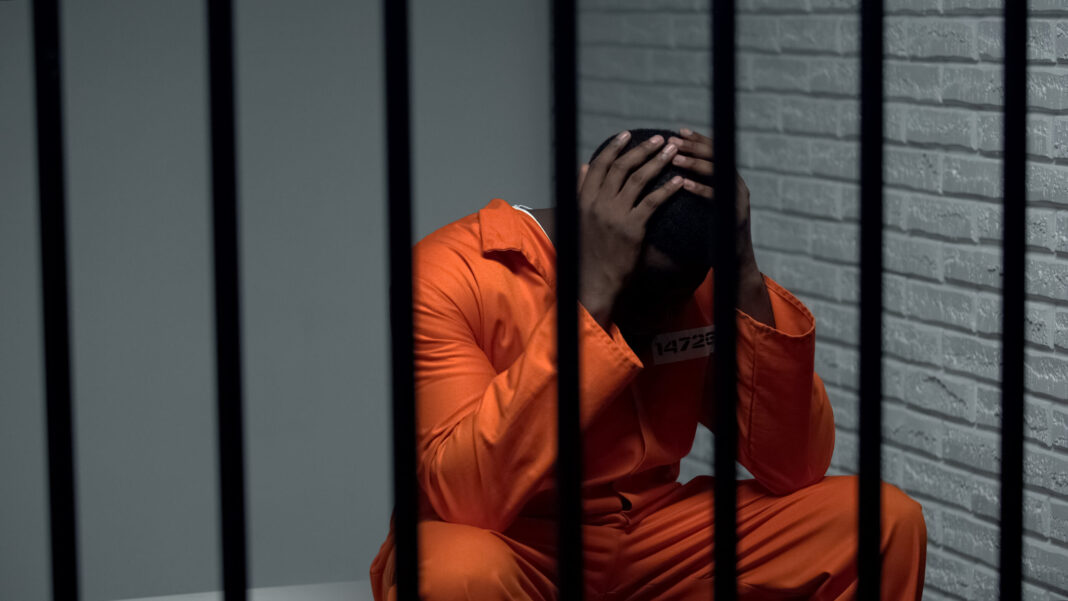

The Supreme Court will hear the case of a Black man whose dreadlocks were shaved off by Louisiana prison officials, per NBC News.
The case stems from a lawsuit filed by Damon Landor, a devout Rastafarian who claimed officials at the Raymond Laborde Correction Center violated the Religious Land Use and Institutionalized Persons Act when they cut off his dreadlocks.
At the time of the 2020 incident, Landor, who was serving time for a drug-related conviction in Louisiana, had kept a religious vow to not cut his hair for almost 20 years.
Landor had a copy of a court ruling stating that practicing Rastafarians should be given religious accommodation allowing them to keep their dreadlocks. However, prison officers disregarded the ruling and handcuffed Landor to a chair, shaving his head.
The Supreme Court will now weigh whether Landor, and other people who sue under the religious statute, can win monetary damages.
In court papers, Louisiana Attorney General Elizabeth Murrill affirmed that Landor was mistreated, noting that the prison system already changed its grooming policy to ensure other Rastafarian prisoners don’t face similar situations. However, Murrill contested whether Landor can receive money damages for his claim. A federal judge and the New Orleans-based 5th U.S. Circuit Court of Appeals previously sided with the state, saying money damages are not available.
Landor’s lawyer has argued that a 2020 Supreme Court ruling allows such damages in claims under a similar law called the Religious Freedom Restoration Act. The Supreme Court is set to hear oral arguments in the case and issue a ruling in its next term, which begins in October.
The Black Information Network is your source for Black News! Get the latest news 24/7 on The Black Information Network. Listen now on the iHeartRadio app or click HERE to tune in live.