
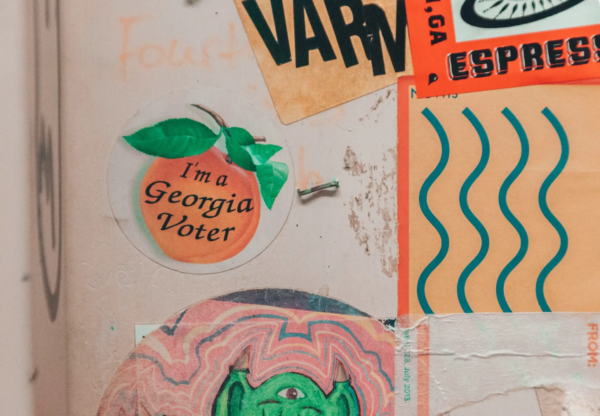

A down-ballot election revealed the impact of engaging voters on issues that shape daily life —from utility rates to the rising cost of living.
This November, Georgia delivered a message. When Black voters organize around issues that hit our wallets and our daily lives, we can change the balance of power.
In a little-watched race with big consequences, Georgians elected two new members of the state’s Public Service Commission (PSC), rejecting incumbents who approved six rate hikes in just two years. The PSC isn’t a headline-grabber race, but it wields enormous influence: this five-member board decides what 2.7 million Georgia Power customers pay each month to keep the lights on. These new commissioners will serve six-year terms, shaping the cost of living for millions of Georgians.
Energy Justice Became Ballot-Box Energy
For months, we worked alongside the Black Voters Matter Fund and other partners to mobilize and educate voters about the direct link between their ballots, their bills, and the local officials who make those decisions. In Valdosta, our canvassing teams went door to door, meeting families who showed us power bills that were higher than their rent. Parents told us about having to choose between paying utility bills or buying groceries. Many had voted in presidential elections, but rarely in local ones.
But this year, something shifted. As people understood that their votes could literally lower their electric bills, energy justice became ballot-box energy. When the polls closed, voter turnout in the Valdosta communities where we organized had jumped 47%. That’s what happens when you connect democracy to people’s lived experiences.
The results in Georgia are proof that when Black communities, especially in rural areas, are informed, resourced, and organized, we reshape political power. For decades, many local and state-level leaders have taken Black turnout for granted while campaigns focused resources almost exclusively on big metro areas. But Georgia’s results showed that rural Black voters are key to winning and sustaining economic justice statewide.
A National Story of Growing Black Political Power
Georgia’s election was part of a larger story about Black political power nationwide. Across the country, Black voters played decisive roles in Tuesday’s contests from New York City to the Deep South. New York recorded its highest mayoral turnout in decades, with nearly 2 million votes cast. Exit polls show that 84% of young Black voters supported Democratic candidate Zohran Mamdani, helping drive his victory and underscoring the growing civic engagement of Black youth. Similar patterns emerged in New Jersey, Virginia, California, and key Southern cities, where Black turnout was pivotal in tight races and coalition‑building efforts. In many of these communities, economic inequity, rising cost of living, and inflation were top issues motivating voters.
If we want to build sustained Black civic and political power, we must invest in local organizing year-round.
The victories in Georgia also underscore something national strategists often overlook: lower-profile races like the Public Service Commission can have concrete, kitchen-table impacts on Black households. When people understand that, they show up, and when they show up, we win.
A Starting Point for Sustained Power
The results are a milestone and a starting point. For too long, government agencies like the PSC have operated with little public accountability — despite their power to make decisions that shape everyday lives. That time is over. The newly elected Public Service Commission members now must reverse course from the Commission’s recent actions and make energy affordability a top priority. Communities are watching.
Black voters in Georgia proved that local democracy works when everyone has the tools to participate fully. But our job isn’t done. At Black to the Future Action Fund, we’ll continue organizing to ensure the PSC delivers on its promises and that communities remain at the table when major economic decisions are made.
Beyond Georgia, the lesson is simple: If we want to build sustained Black civic and political power, we must invest in local organizing year-round, not only in campaign season. It means supporting programs that connect civic engagement to real issues, like the rising cost of energy, access to housing, food insecurity, and the growing burden of inflation on working families. And it means treating Black voters not as a turnout metric, but as partners in designing and leading policy solutions that work for everyone.
Georgia’s Black voters showed us what’s possible when we connect civic participation to collective struggles and individuals’ agency. The next step is to turn that momentum into sustained power, one election and one issue at a time.
Alexsis Rodgers is the political director for the Black to the Future Action Fund.